珠洲・金沢直行 北陸初*の相乗りタクシーが運行開始
株式会社恋路観光バス(本社:石川県鳳珠郡能登町、代表取締役 井口信二)のグループ企業であるスズ交通株式会社(所在地:石川県珠洲市、代表取締役 井口信二)が2026年9月30日(水曜)より珠洲市中心部と金沢駅を往来する長距離相乗りタクシーの運行を開始した。国土交通省 北陸信越運輸局への報告状況に基づくと、石川県、富山県、福井県の北陸3県では初の相乗りタクシーとなる。能登半島の先端に位置する珠洲と金沢の間を乗り継ぎなしに直行でき、自動車交通が主である奥能登地域に、新たな公共交通の選択肢が加わることになる。
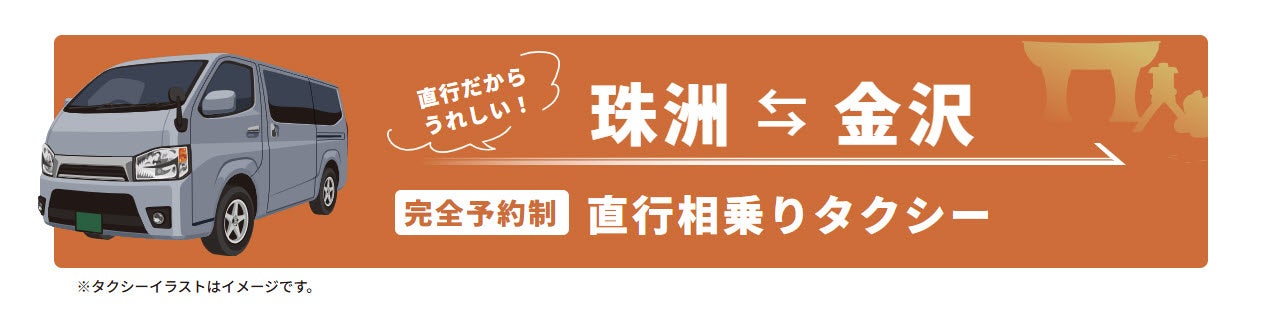
運行は1日1往復を基本とし、珠洲市・すずなり館を午前5時30分、金沢駅西口タクシー乗場を午前9時に出発する。完全予約制で、ホームページ経由の予約を基本とし、ホームページへアクセスできない利用者には電話予約も可とする。珠洲⇔金沢間の所要時間はトイレ休憩を含めて片道3時間で、途中、金沢医科大学病院(所在地:石川県河北郡内灘町)での乗降車も可能である。料金は、スズ交通株式会社が届け出た特定大型車の時間制運賃6,250円/30分に基づき、片道37,500円を乗車人数により按分する「割り勘」方式とする。車両の乗車定員は運転手を除き9名で、乗車人数が増えるほど1人あたり料金が安くなり、乗客が9名の場合は1人あたり4,167円となる。便数は、利用状況や市場ニーズを踏まえ、柔軟に対応する予定である。
事業開始の経緯は、既存の広域基幹交通による大量輸送の範囲外にある運行時刻等に関する地域住民の声に株式会社恋路観光バスが耳を傾けたことから始まった。課題解決に向けて国土交通省、石川県、珠洲市等と協議を重ね、既存の広域基幹交通を補完し、地域住民に加え観光客の移動にも対応する相乗りタクシーとしてサービス設計を進めた。設計にあたって、国土交通省 北陸信越運輸局から直接、指導・助言を受けた。
現在の相乗りタクシー制度は、2018年に東京23区等で行われた国土交通省の実証実験を経て、2021年に制度化され、その後、地方でも導入事例が見られるものの、その数はまだ限定的である。業界ではIT事業者が配車アプリ等を開発し、地方の自動車交通事業者と協働するケースが多い。本事業では、地方の自動車交通事業者が予約受付・集金・旅客運送を一貫して行う。運賃への公的資金の充当を前提とせず、民間企業が自立的に運営するビジネスモデルを構築した。一方、予約システムを含むホームページ構築等の初期費用については、観光庁の補助事業**に採択された。本事業は、令和6年能登半島地震後に事業承継により経営陣が刷新されて以降、スズ交通株式会社にとって初の新事業となる。
珠洲・金沢直行 相乗りタクシーにより、金沢を訪れる観光客の一部を能登方面へ誘導することで、観光客の地域的な分散を促すとともに、地域住民の移動利便性向上と能登半島への人流回復をめざす。また、石川県内における観光客の滞在期間を延ばし、地域経済の回復・発展に寄与したいと考えている。
【本件に関するお問い合わせ先】
相乗りタクシー広報担当 専用電話:0768-84-5076 / ホームページ:https://suzu-koutsu.jp/
* 国土交通省 北陸信越運輸局への報告状況に基づく(2026年9月時点)
**本取組は、観光庁「オーバーツーリズムの未然防止・抑制をはじめとする観光地の面的受入環境整備
促進事業」に採択された事業である。
Hokuriku’s First* Direct Shared Taxi Service
Between Suzu and Kanazawa to Launch
Suzu Kotsu Co., Ltd. (located in Suzu City, Ishikawa Prefecture; Representative Director: Shinji Iguchi), a group company of Koiji Kanko Bus Co., Ltd. (head office: Noto Town, Hosu District, Ishikawa Prefecture; Representative Director: Shinji Iguchi), launched a long-distance shared taxi service connecting central Suzu City and Kanazawa Station on Wednesday, September 30, 2026. Based on reports submitted to the Hokuriku-Shinetsu District Transport Bureau of the Ministry of Land, Infrastructure, Transport and Tourism (MLIT), this will be the first shared taxi service of its kind in the three Hokuriku prefectures of Ishikawa, Toyama, and Fukui. By providing a direct, transfer-free connection between Suzu, located at the tip of the Noto Peninsula, and Kanazawa, the service will add a new public transportation option in the Oku-Noto region, where automobile transportation plays a central role.
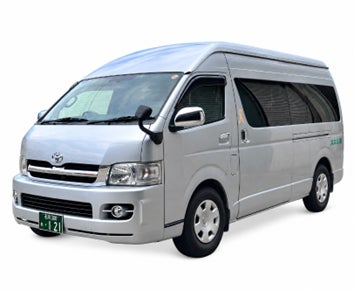
The service will operate one round trip per day in principle, departing Suzunari-kan in Suzu City at 5:30 a.m. and the taxi stand at the west exit of Kanazawa Station at 9:00 a.m. Advance reservations are required. Reservations will primarily be accepted through the website, while telephone reservations will also be available for customers who are unable to access the website. The one-way journey between Suzu and Kanazawa will take approximately three hours, including a restroom break. Passengers may also board or alight at Kanazawa Medical University Hospital (Uchinada Town, Kahoku District, Ishikawa Prefecture). The fare will be calculated using Suzu Kotsu Co., Ltd.’s officially filed time-based fare for specified large vehicles of ¥6,250 per 30 minutes. The one-way fare of ¥37,500 will be divided among the passengers. The vehicle can accommodate up to nine passengers, excluding the driver, so the per-person fare decreases as the number of passengers increases. With nine passengers, the fare will be ¥4,167 per person. The number of services may be adjusted flexibly in response to usage and market demand.
The project began when Koiji Kanko Bus Co., Ltd. listened to local residents who expressed a need for travel at times not covered by existing high-capacity regional trunk transportation services. To address these needs, the company held a series of discussions with MLIT, Ishikawa Prefecture, Suzu City, and other relevant authorities, and designed the shared taxi service to complement existing regional trunk transportation while serving both local residents and tourists. Hokuriku-Shin'etsu District Transport Bureau provided direct guidance and advice during the service design process.
Japan’s current shared taxi system was developed following a demonstration project conducted by MLIT in Tokyo’s 23 wards and other areas in 2018, was formally introduced as a system in 2021. Since then, shared taxi services have also been introduced in regional areas, although the number of operators remains limited. In many cases, IT companies develop ride-matching applications and work in partnership with local transportation operators. Under this project, however, a local transportation operator will handle the entire process—from reservations and fare collection to passenger transportation. The service has been designed as a self-sustaining business model operated by a private company without relying on public funding to subsidize fares. Meanwhile, initial costs, including development of the website and reservation system, are supported through a Japan Tourism Agency subsidy program.** This is Suzu Kotsu Co., Ltd.’s first new business initiative since its management was renewed through business succession following the 2024 Noto Peninsula Earthquake.
By introducing the Suzu–Kanazawa Direct Shared Taxi, the companies aim to encourage some visitors to Kanazawa to travel onward to the Noto area, thereby promoting a more geographically balanced distribution of tourists, improving mobility for local residents, and helping restore visitor flows to the Noto Peninsula. The service also aims to extend visitors’ stays within Ishikawa Prefecture and contribute to the recovery and development of the regional economy.
[For Inquiries Regarding This Press Release]
Shared Taxi Public Relations Contact
Dedicated Phone: 0768-84-5076 (Japanese Only) / Website: https://suzu-koutsu.jp/
* Based on reports submitted to the Hokuriku-Shinetsu District Transport Bureau of MLIT as of September 2026.
** This initiative was selected for the Japan Tourism Agency’s “Project to Promote Area-Wide Improvements in Tourism Destination Reception Environments, Including the Prevention and Mitigation of Overtourism.”
すべての画像