【国立国際美術館】第29回中之島映像劇場「戦争と映像|Wars and Images」2026年3月15日(日)開催
政治学者のメアリー・カルドーは、20世紀末のグローバリゼーションの文脈の中で台頭した組織的暴力を「新しい戦争」と呼びました。それは「異なる言語、宗教、部族集団間の戦争のようにみえる」ものであり、しばしば紛争や内戦とも呼ばれますが、その本質は「自集団中心主義的なアイデンティティ・ポリティクスを標榜している集団が協力し合って、市民性(civility)や多文化主義といった諸価値を抑圧している戦争」だと、カルドーは分析しました[1]。
第29回中之島映像劇場「戦争と映像|Wars and Images」は、アイデンティティ・ポリティクスに直結するイメージの生産、発表、保存、批評において、美術館という記憶装置の担う役割を意識して企画しました。その端緒となったのは、1970年に米国から日本に「無期限貸与」という形で「返還」された戦争記録画を含む、美術に蓄えられた記録をもとに、戦後80年という節目を迎えて新たな戦争の記憶を紡ぎだすことを試みた、東京国立近代美術館の企画展「コレクションを中心とした特集 記録をひらく 記憶をつむぐ」(会期:2025年7月15日〜10月26日)です。
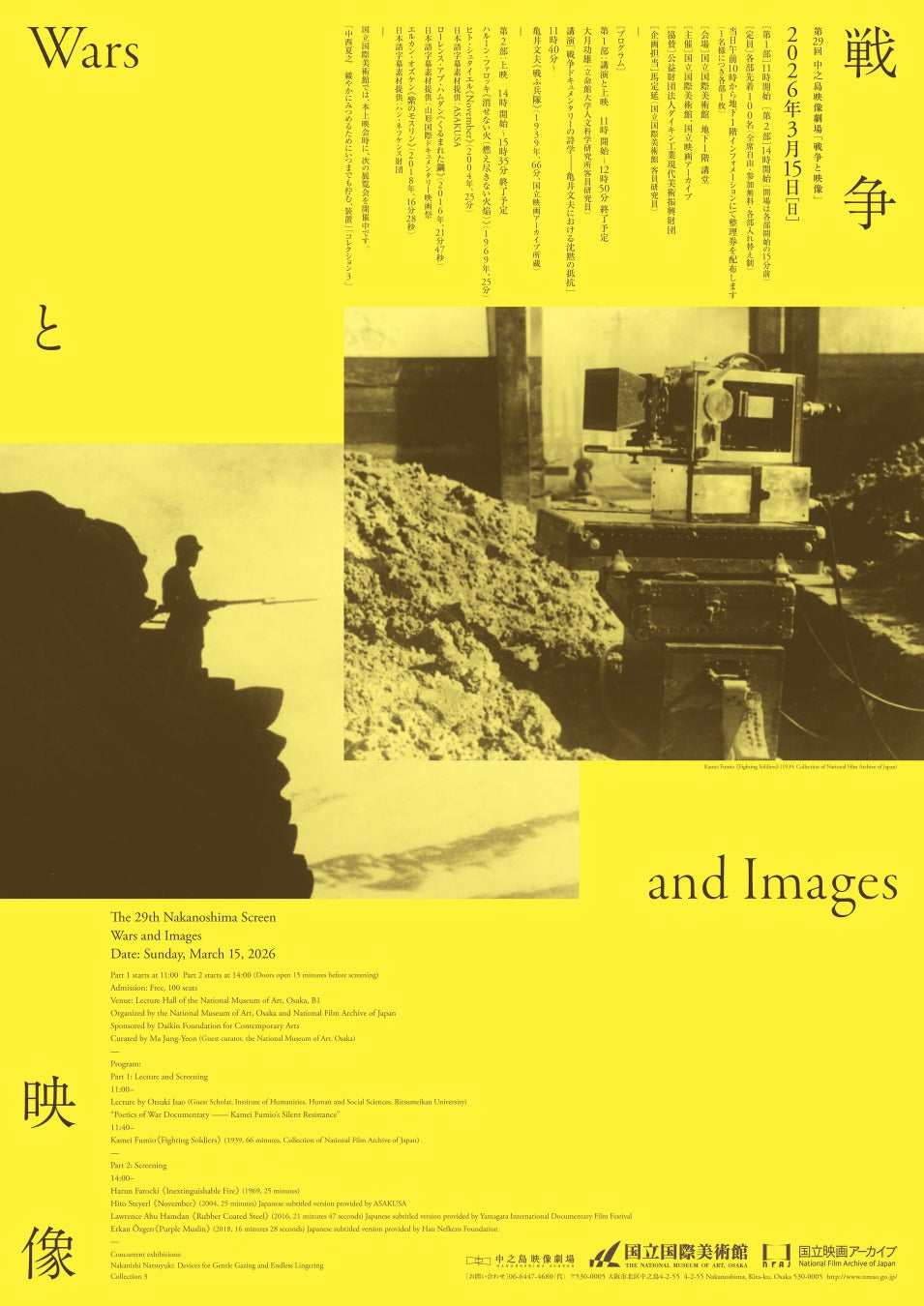
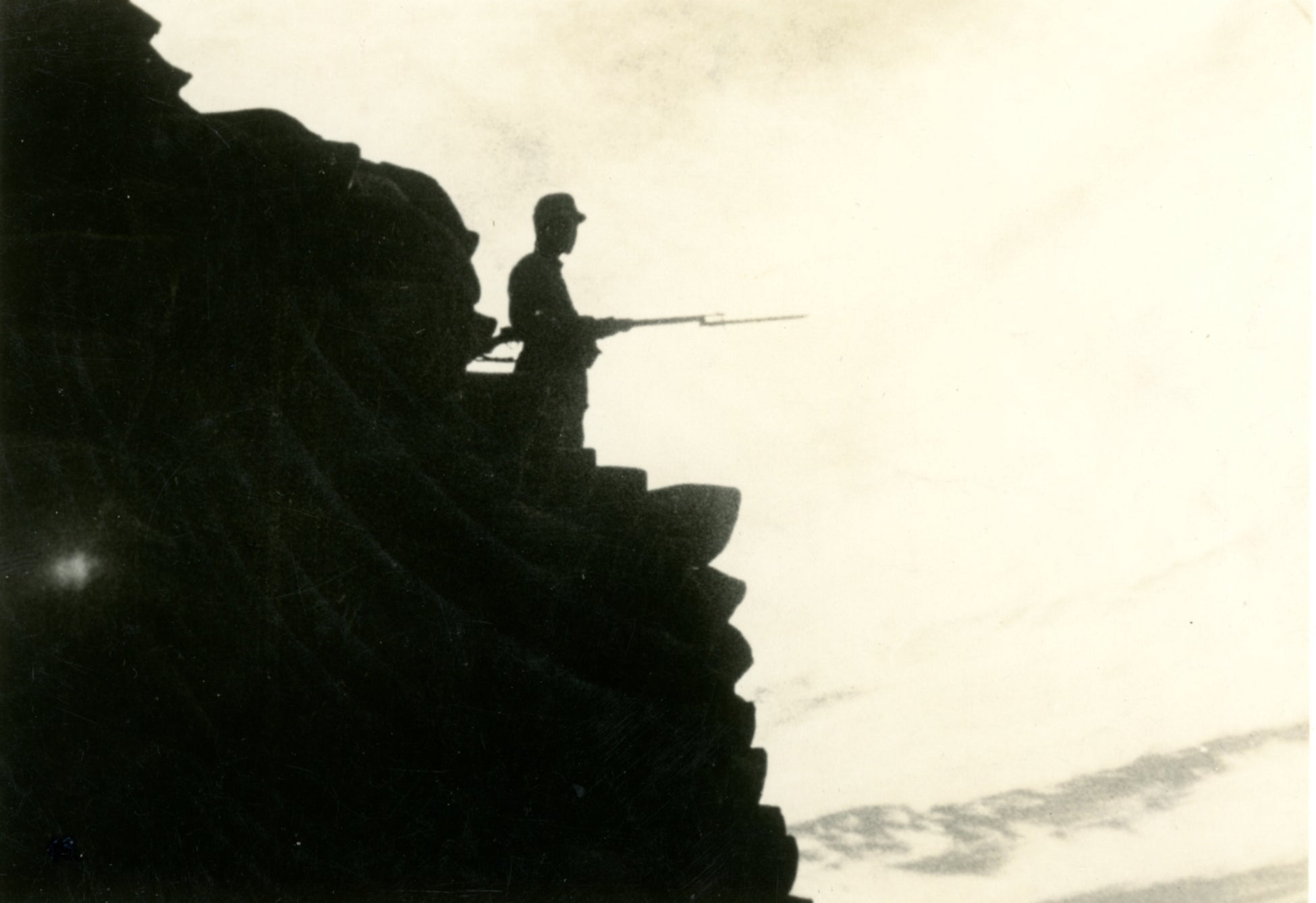
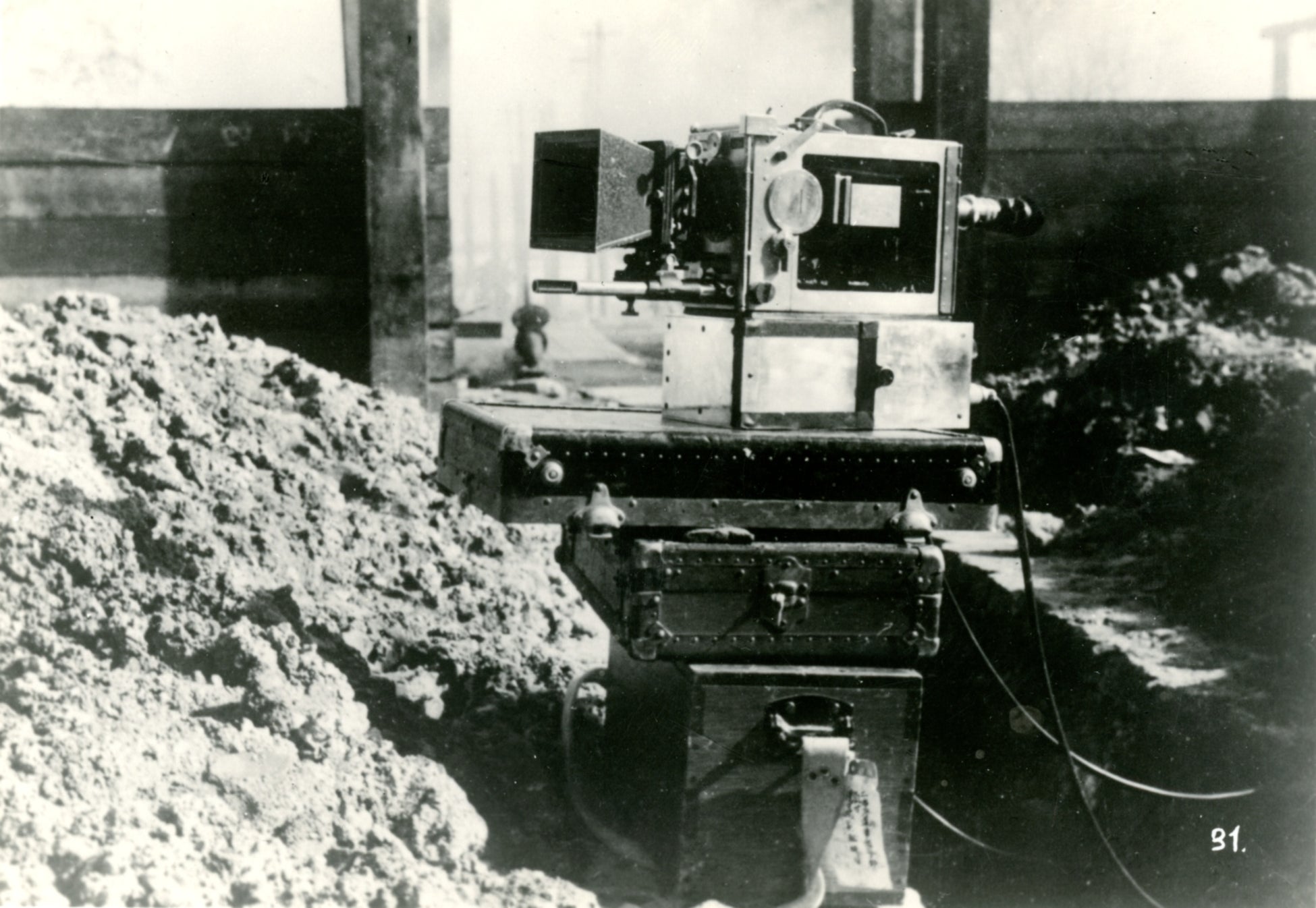
「あの日のあれは、まさに映像を伴わない音として私たちに与えられたことに決定的な意味があったのである。私たちの映像の歴史は、どんな映像が存在したかということより、どんな映像が存在しなかったということの歴史なのである。[2]」大島渚(1932〜2013年)は、終戦がテレビではなく、ラジオ放送によって公表されたという事実に対してこのように指摘しました。大島の言うとおり、日本国民にとって第二次世界大戦の終わりは「映像のない終戦」でした。しかし、戦争そのものを記録した映画は存在します。第29回中之島映像劇場「戦争と映像」の第1部では、第2次上海事変を記録した《上海》(1938年)、日本占領下の北京を撮影した《北京》(1938年)、武漢攻略作戦(1938年)の従軍記録映画《戦ふ兵隊》(1939年)の日中戦争三部作を制作した、亀井文夫(1908〜1987年)を取り上げます。まず、『戦争映画の誕生』(人文書院、2025年)を上梓した大月功雄氏(立命館大学人文科学研究所客員研究員)を講師に招き、亀井の戦争ドキュメンタリーについて「戦争ドキュメンタリーの詩学―亀井文夫における沈黙の抵抗」をテーマに解説をいただきます。その後、厭戦的な哀感が強すぎるという理由で公開禁止となり、1975年まで日の目を見られなかった《戦ふ兵隊》(国立映画アーカイブ所蔵)を上映します。
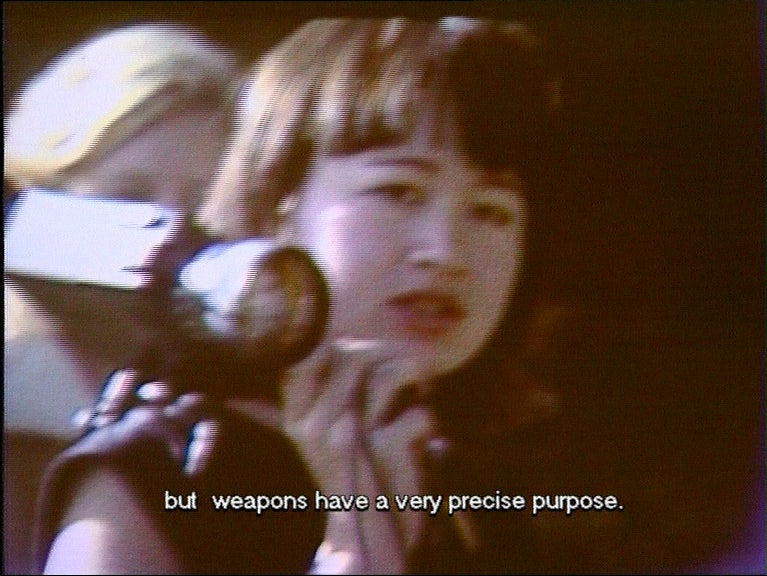
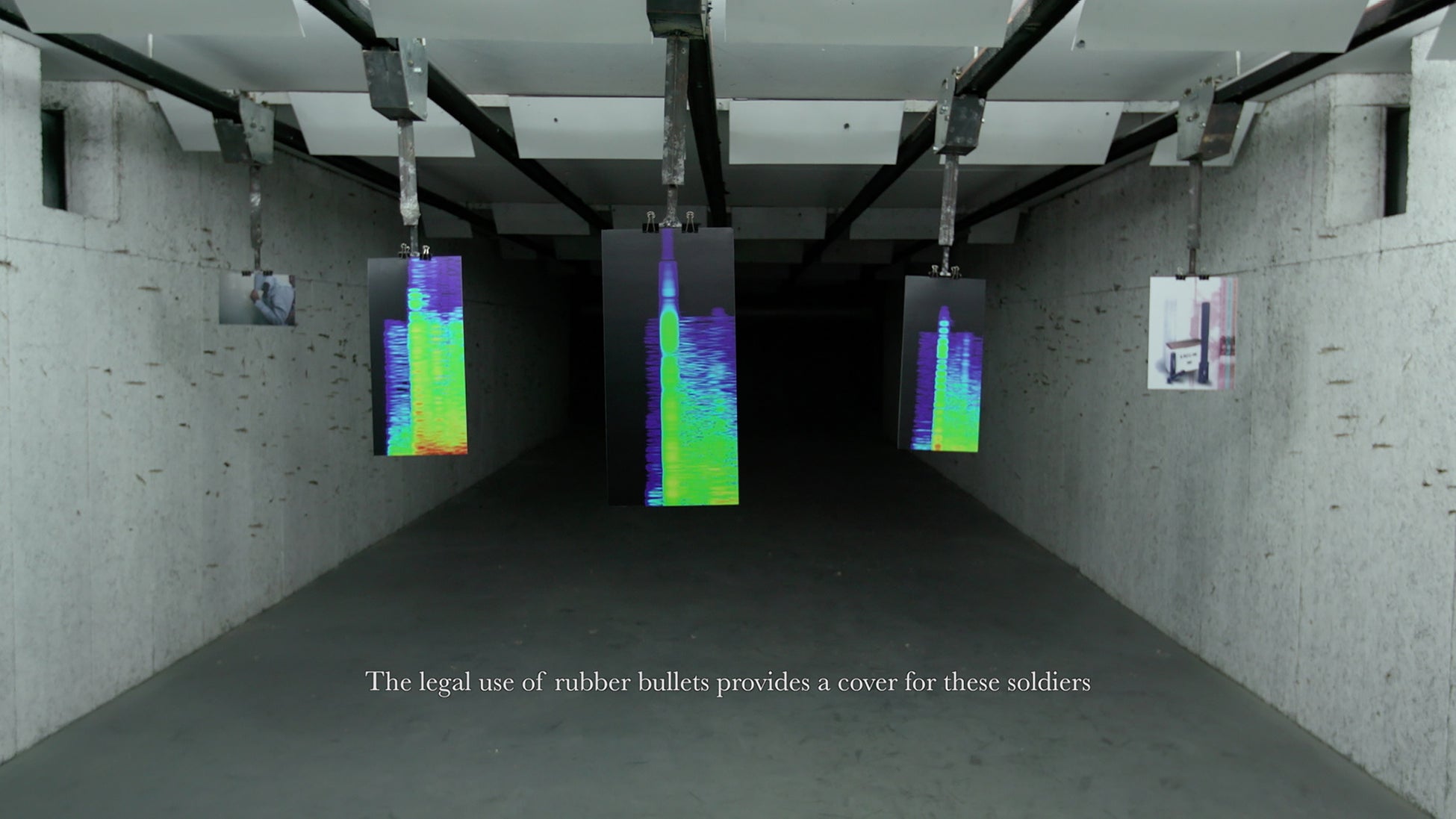
第2部は、メディアに媒介された戦争をめぐる現代美術の作品で構成されています。その幕を開くのは、ハルーン・ファロッキ(1944〜2014年)の《消せない火(燃え尽きない火焔)》(1969年)です。ベトナム戦争に関するこの作品が示唆する軍事技術と産業技術の相関関係、そして映像と記憶と事実との向き合い方は、いまなお考えるべき問題です。それに続くヒト・シュタイエル(1966年生まれ)の《November》(2004年)は、トルコにおけるクルド人の独立闘争の中で逮捕された友人、アンドレア・ヴォルフ(1965〜1998年)の失踪と死に言及します。個人の記憶と交差しながら全地球を旅する英雄のイメージ(traveling images)は、シュタイエルの影響力のあるイメージ論と共鳴しつつ、21世紀の映像文化を映し出します。そして、権力による暴力事件を検証して芸術の場で公開する研究機関フォレンジック・アーキテクチャー(Forensic Architecture)の一員でもある、ローレンス・アブ・ハムダン(1985年生まれ)が発表した《くるまれた鋼》(2016年)は、2014年にヨルダン川西岸地区で武装していない10代のパレスチナ人2人が、イスラエルの兵士によって射殺された事件とその裁判を扱っています。観客は、声なきものの死を、証人、裁判官、弁護士のやり取りや音源データなどの証拠を通じて耳で追体験します。そして、見る側に紛争と人権のあり方を考えさせるもう一つの作品が、エルカン・オズケン(1971年生まれ)の《紫のモスリン》(2018年)です。イスラム過激派勢力イスラム国(ISIS)の脅威から逃れ、イラク北部に避難したヤジディ教徒の女性たちとの「協働」から生まれたこの作品は、暴力の被害者たちに耳を傾ける行為の尊さと重さを同時に伝えてくれます。
かつて大島は、過去の歴史と新しい映像の時代がどれだけ連続して、どれだけ断絶しているのかと問いかけました。それから半世紀後を生きる私たちは、戦争と映像をめぐるこの本質的な問いに対して、どのように答えることができるのでしょうか。
[1]メアリー・カルドー、『新戦争論』、山本武彦・渡部正樹訳、岩波書店、2003年、13頁
[2]大島渚、「敗者は映像を持たない」、『体験的戦後映像論』、朝日新聞社、1975年、14頁
プログラム
第1部 講演と上映
11:00-11:35
講演「戦争ドキュメンタリーの詩学―亀井文夫における沈黙の抵抗」
大月功雄(立命館大学人文科学研究所客員研究員)
11:40-12:50
亀井文夫《戦ふ兵隊》(1939年、66分、国立映画アーカイブ所蔵)
第2部 上映
14:00-15:35
ハルーン・ファロッキ《消せない火(燃え尽きない火焔)》(1969年、25分)
ヒト・シュタイエル《November》(2004年、25分)
日本語字幕素材提供:ASAKUSA
ローレンス・アブ・ハムダン《くるまれた鋼》(2016年、21分47秒)
日本語字幕素材提供:山形国際ドキュメンタリー映画祭
エルカン・オズケン《紫のモスリン》(2018年、16分28秒)
日本語字幕素材提供:ハン・ネフケンス財団
開催概要
開催日 2026年3月15日(日)
時 間
[午前]第1部 11:00開始-12:50終了予定
[午後]第2部 14:00開始-15:35終了予定
各部入れ替え制
開場は各部開始15分前
主 催 国立国際美術館、国立映画アーカイブ
協 賛 公益財団法人ダイキン工業現代美術振興財団
会 場 国立国際美術館 地下1階講堂(〒530-0005 大阪市北区中之島4-2-55)
参加費 無料(各部先着100名)
当日10:00から地下1階インフォメーションにて整理券を配布します(1名様につき各部1枚)
企画担当 馬 定延(国立国際美術館 客員研究員)
本上映会時、国立国際美術館では特別展「中西夏之 緩やかにみつめるためにいつまでも佇む、装置」と「コレクション3」を開催しております。
交通アクセスはこちら
https://www.nmao.go.jp/visit/admission/
一般のお客様からのお問い合わせ先
国立国際美術館 TEL:06-6447-4680(代表)
The 29th Nakanoshima Screen
「戦争と映像|Wars and Images」
March 15, 2026
The National Museum of Art, Osaka
Part 1 starts at 11:00|Part 2 starts at 14:00
(Doors open 15 minutes before screening)
Admission:Free, 100 seats
Venue:Lecture Hall of the National Museum of Art, Osaka, B1
In New and Old War, political scientist Mary Kaldor refers to the organized violence in the context of globalization since the end of the 20th century as ‘new wars.’ She analyzed the essence of new wars, often called as internal conflicts or civil wars, as follows: “although the new wars appear to be between different linguistic, religious, or tribal groups, they can also be presented as wars in which those who represent particularistic identity politics cooperate in suppressing the value of civility and multiculturalism. [1]” The 29th Nakanoshima Screen "Wars and Images" was planned with an awareness of the social role played by museums, as repositories of memories, in the production, presentation, preservation, and critique of images directly linked to identity politics. Its impetus was “Opening Documents, Weaving the Memories: A Special Exhibition Featuring Works from the Museum Collection”(July 15 - October 26, 2025) held at the National Museum of Modern Art, Tokyo, which, marking 80 years since the end of World War II, attempted to weave new memories of the war based on records and materials accumulated in art, including War Record Paintings returned from the US to Japan in 1970 on ‘indefinite loan’.
“The crucial significance of ‘that’ was that it was given to us as sound without any images. Our history of images is not so much a history of what images existed, but of what images did not exist,” Oshima Nagisa (1932-2013) commented on the fact that the end of the war was announced not by television but by radio broadcast [2]. As Oshima says, for the Japanese people, World War II ended without images. However, there are films that documented the war itself. The first part of the 29th Nakanoshima Screen "Wars and Images" will focus on Kamei Fumio (1908-1987), who produced a trilogy of films about the Sino-Japanese War: 《Shanghai》(1938), which documented the Second Shanghai Incident; 《Beijing》(1938), which filmed Beijing under Japanese occupation; and 《Fighting Soldiers》(1939), a war documentary about the Battle of Wuhan (1938). The opening will feature a lecture on Kamei's war documentaries by Otsuki Isao, the author of The Birth of War Films (Jinbun Shoin, 2025), followed by 《Fighting Soldiers》 (Collection of National Film Archive of Japan) of which screening was banned until 1975 for its war-weary pathos.
The second part features works that explore the mediated images of wars. It opens with Harun Farocki's (1944–2014)《Inextinguishable Fire》(1969). Set against the backdrop of the Vietnam War, the work's implications for the links between military and industrial technology, as well as the correlation of images, memories, and facts, remain essential questions until today. Hito Steyerl's (b. 1966) 《November》(2004) follows, addressing the disappearance and death of her friend, Andrea Wolf (1965–1998), who was arrested during the Kurdish independence struggle in Turkey. Intersecting with personal memories, ‘traveling images’ of a heroic figure resonate with Steyerl's influential essays on images and reflect contemporary visual culture. 《Rubber Coated Steel》(2016), presented by Lawrence Abu Hamdan (b. 1985), a member of the Forensic Architecture, deals with the shooting deaths of two unarmed Palestinian teenagers by Israeli soldiers in the West Bank of Jordan River in 2014 and the resulting trial. The audiences are invited to re-experience the deaths of the voiceless with their ears through audio evidence, such as exchanges between witnesses, judges, and lawyers. Another work that invites audiences to consider the relationship between conflicts and human rights is Erkan Özgen's (b. 1971) 《Purple Muslin》(2018). Created in collaboration with Yazidi women who fled from the threat of the Islamic State (ISIS) to northern Iraq, the work conveys the importance of attentive listening to the victims of violence.
In the essay cited earlier, Oshima questioned to what extent histories in the past are connected to a new era of images, and to what extent they are disconnected. Half a century later, how can we answer this fundamental question about wars and images?
[1] Mary Kaldor, New and Old Wars, Polity Press, 1998, 2006, 2012, p.11
[2] Oshima Nagisa, “The Losers Have No Images,” in Experiential Postwar Images Theory, Asahi Shimbunsha, 1975, p. 14
このプレスリリースには、メディア関係者向けの情報があります
メディアユーザー登録を行うと、企業担当者の連絡先や、イベント・記者会見の情報など様々な特記情報を閲覧できます。※内容はプレスリリースにより異なります。
すべての画像